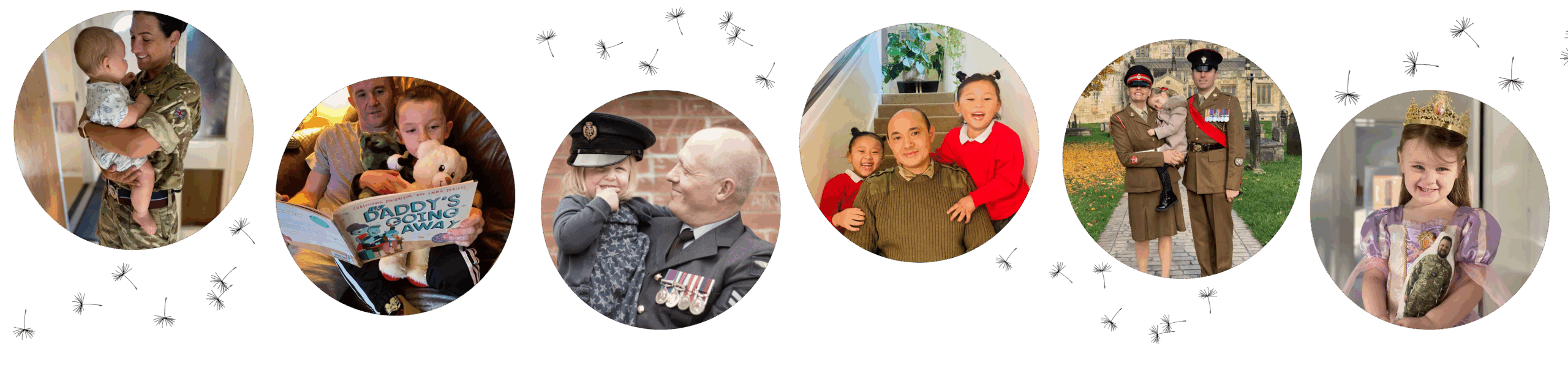
Service children bring strength, adaptability, and unique life experiences to school and community life. Their upbringing within Armed Forces families shapes how they navigate relationships, learning, emotions, and change. To support them well, it’s important to understand both the challenges they may face and the incredible resilience they so often show.
Who Are Service Children?
Service children are young people who have a parent currently serving in the Armed Forces, who has served within the last six years, or who receives an Armed Forces pension due to injury or bereavement. Their lives are closely intertwined with the routines, demands, and transitions of military life.
While every Service child is different, their shared experiences often mean they have needs and perspectives that may differ from their peers.

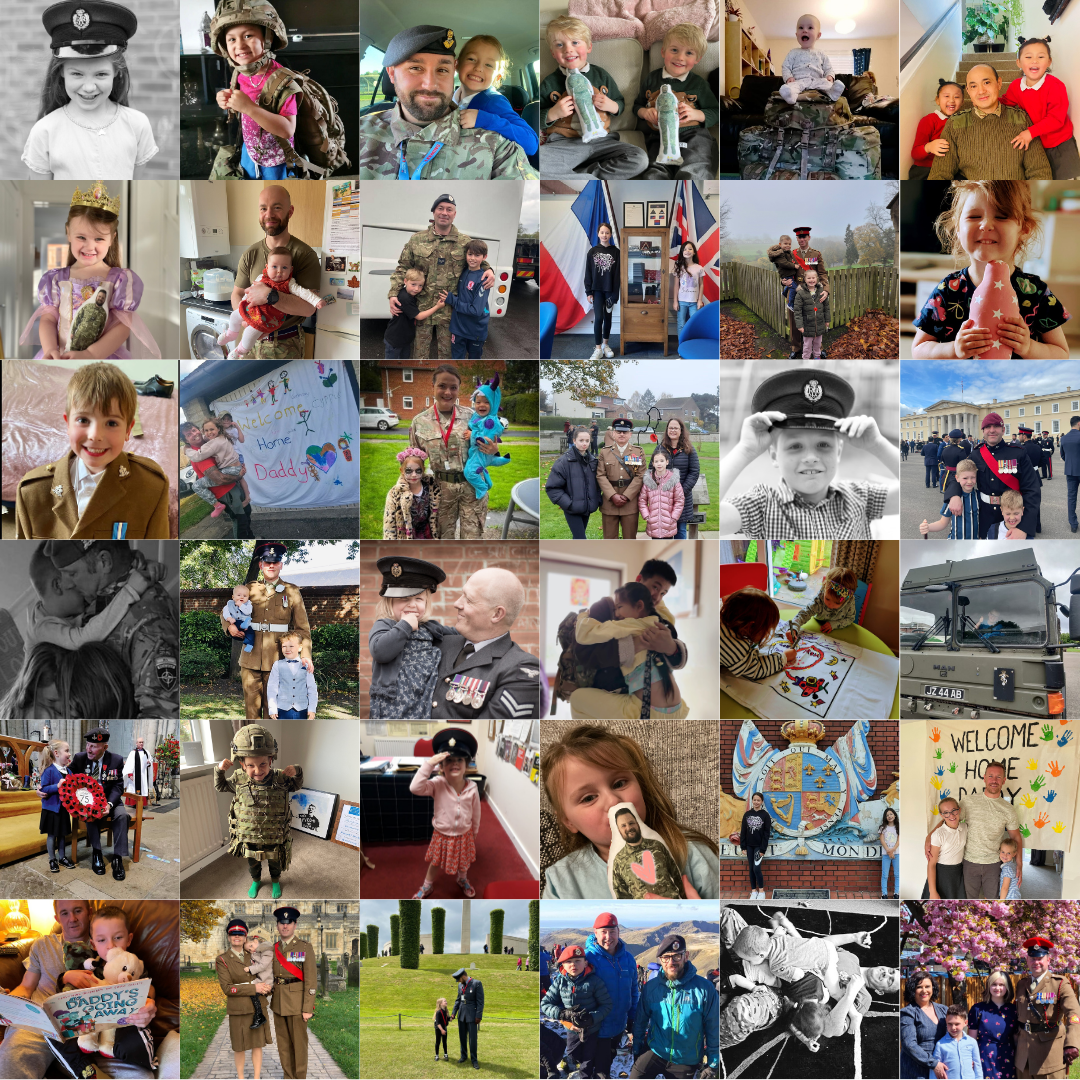
The Lived Experience of Military Life
Mobility and Transitions
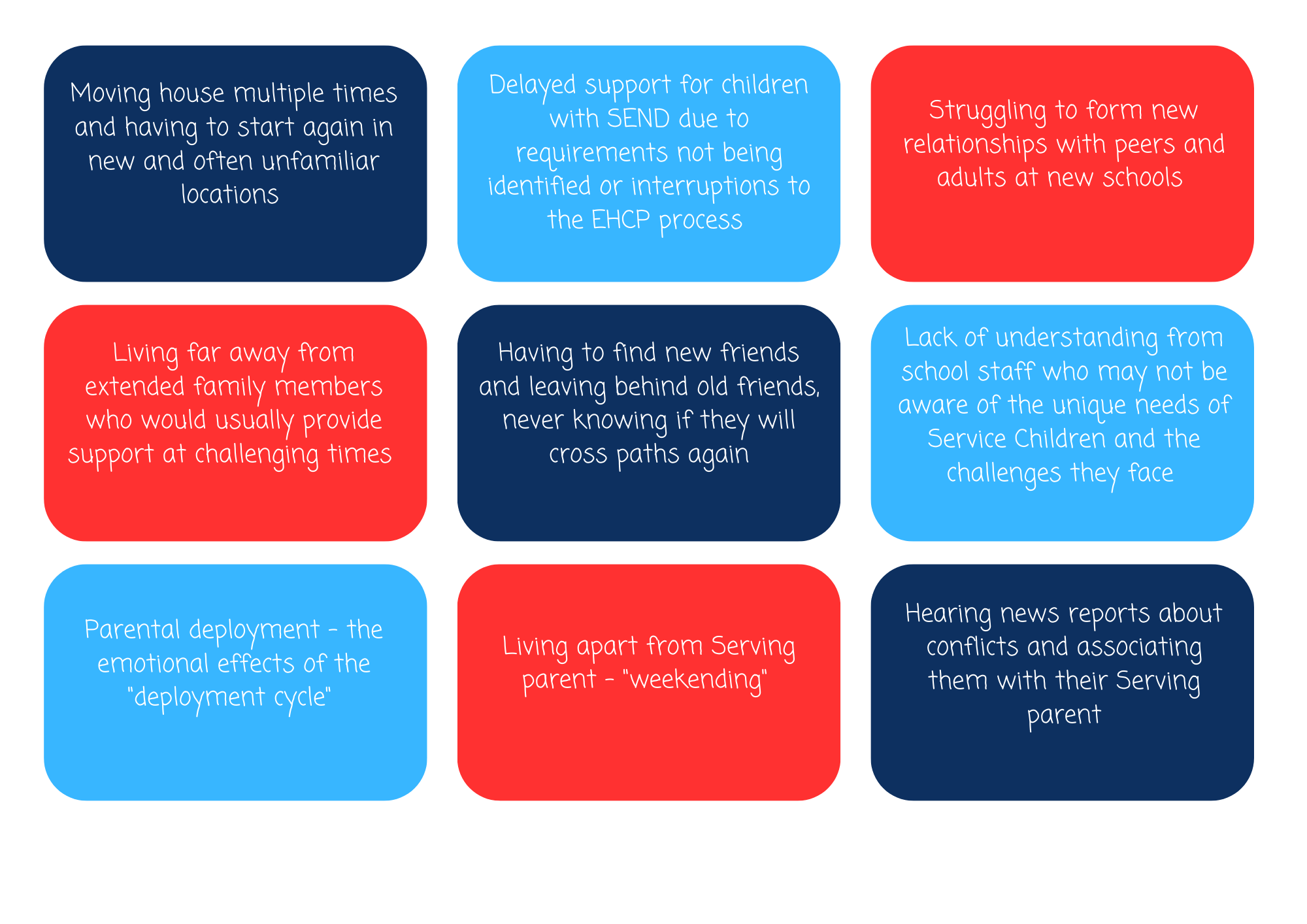
Frequent moves are a normal part of military life, but each relocation brings a new school, new teachers, new routines, and new friendships. This level of mobility can disrupt learning and social development, making transitions a central part of their educational journey.
Schools that understand these challenges are better placed to help children settle quickly, identify gaps caused by mobility, and offer stability during times of change.
Deployments and Separation
Deployments, training exercises, and unpredictable routines can affect a child’s emotional wellbeing—sometimes causing anxiety, distraction, or uncertainty. This is a natural response, and supportive adults play a vital role in helping children feel secure during these periods.
Impact of Service Life
What Service Children Need to Thrive
Stability and Understanding
A stable, informed, and compassionate school environment helps Service children feel secure as they navigate change. Strong pastoral care, predictable routines, and adults who understand the emotional cycle of deployment can make a profound difference.
Voice and Connection
Service children often benefit from opportunities to express their thoughts, share experiences, and feel proud of their identity. Advocates and school-based champions help ensure their voices are heard and that their unique experiences are recognised and celebrated.
Supportive Relationships
Transitions become easier when children feel known, valued, and listened to. Staff who take time to learn a child’s story—interests, worries, previous school experiences—help create a sense of continuity when much else is changing.
How Schools Can Help
A Welcoming Start
Simple steps such as a buddy system, school tour, early check-ins, and clear communication help a new Service child settle quickly and confidently in their new environment.
Strong Home–School Communication
Sharing information such as upcoming deployments, recent moves, or strategies that have worked well in previous schools enables staff to provide timely and tailored support. Schools, in turn, can offer pastoral check-ins, safe spaces to talk, and consistent routines that promote emotional wellbeing.
Access to Specialist Support
Many schools now have a Service Children Advocate—a dedicated adult who understands military life and champions Service pupils’ needs, voice, and wellbeing. These advocates receive ongoing training, resources, and support to help them excel in their role.
Celebrating Identity, Resilience, and Community
Service children bring rich experiences, curiosity, and resilience to every school they join. With understanding adults, strong pastoral systems, and a community that recognises their unique journey, Service children can thrive—academically, socially, and emotionally.
By understanding their world, we ensure that every Service child feels seen, supported, and celebrated.