
Supporting Your Child’s Emotional Journey
Children in Armed Forces families experience a unique rhythm of change — deployments, training exercises, moves, reunions, new schools, and long-distance relationships with parents or carers. These experiences can shape emotions in powerful ways.
Here, you’ll find guidance, resources, and practical support to help your child navigate these feelings with confidence and resilience.
You don’t need to manage it alone — we’re here to help.
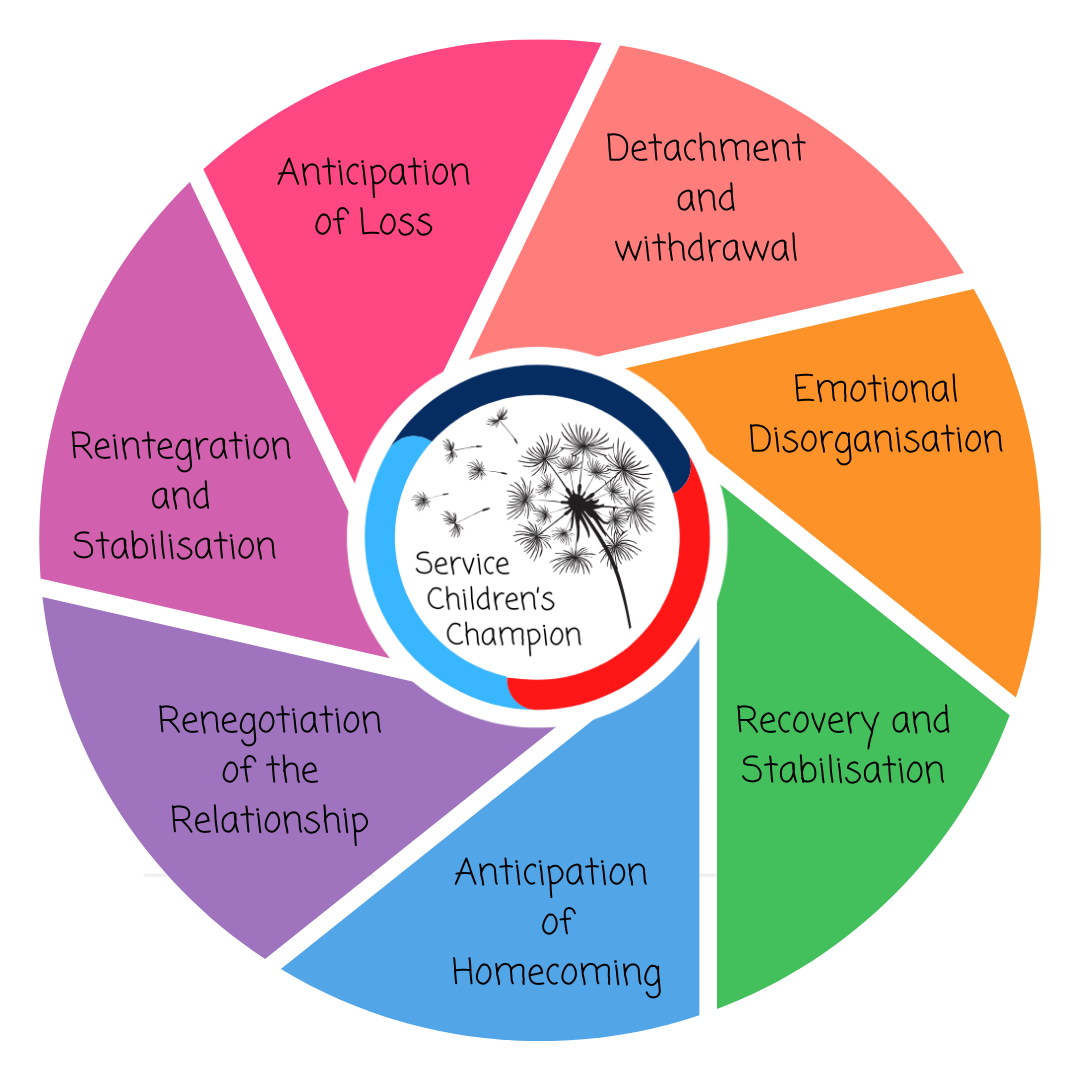
Understanding the Emotional Cycle of Deployment
Deployments can stir up a wide range of feelings for children, including:
- Excitement
- Worry
- Pride
- Frustration
- Missing someone they love
- Relief when a parent returns
These responses are normal. Many children move between these feelings quickly, especially during long or repeated separations.
We can support with:
- Helping children express difficult feelings
- Preparing for deployment
- Keeping routines consistent
- Reintegration when a parent returns
- Talking to teachers about changes at home
Small supports at the right time can make a big difference.
Practical Tools for Children
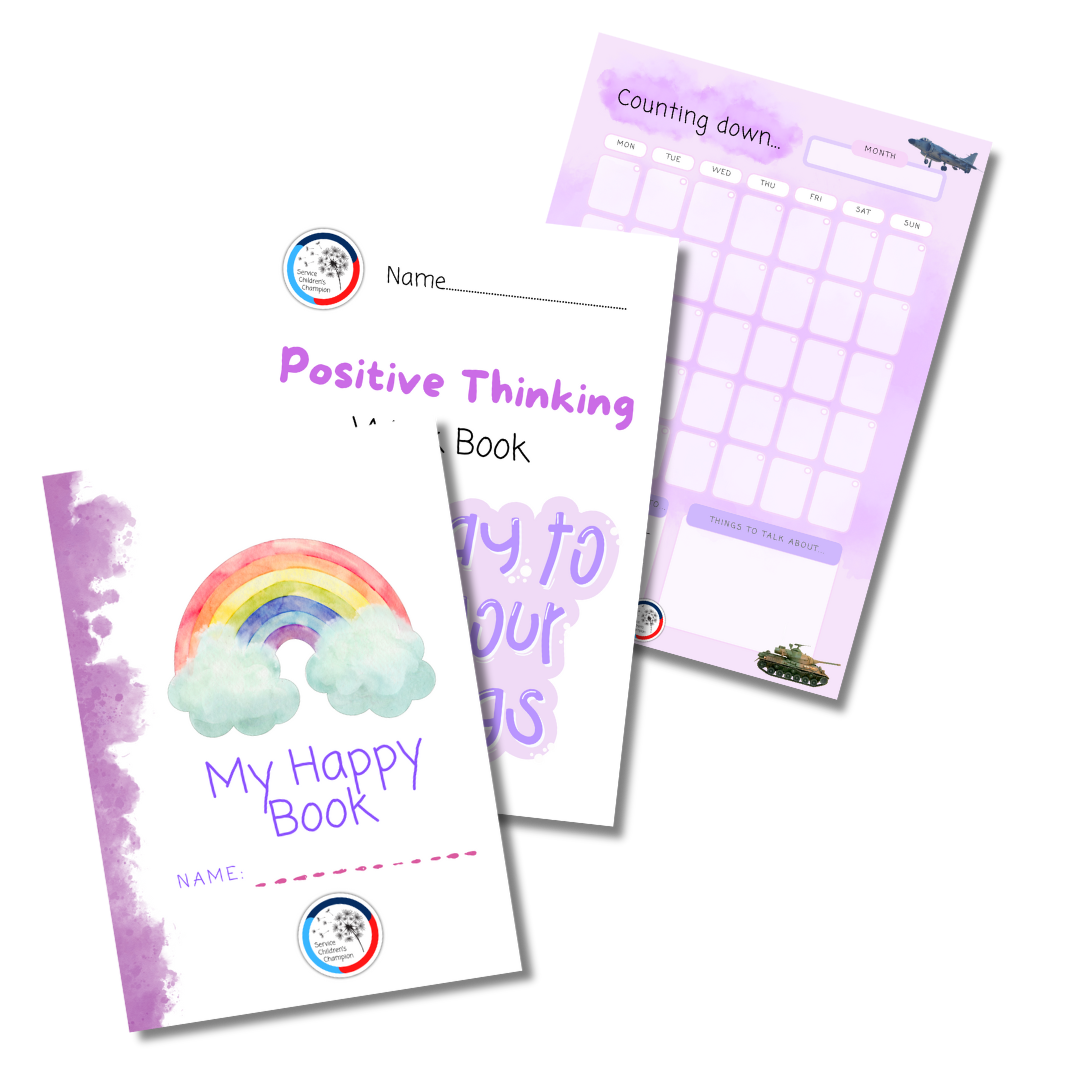
Every child expresses their feelings differently. We provide tools that can help make emotions easier to understand and talk about:
Practical Tools for Children
Every child expresses their feelings differently. We provide tools that can help make emotions easier to understand and talk about:
Resources include:
- Social stories
- Feelings charts
- Visual routines
- Worry jars and activity ideas
- “My Deployment Plan” templates
- Journals and conversation starters
- Friendship and confidence-building activities
If you’d like personalised resources for your child, you can always ask.

Helping Children Cope With Change
Service children often face repeated transitions. These can be exciting — but also overwhelming.
Common challenges might include:
- Sleep disruption
- Worries about school change
- Missing friends
- Feeling “different” from others
- Behaviour changes when routines shift
Ways we can help:
- One‑to‑one support sessions
- Group sessions with other Service children
- Strategies for grounding and calm
- Routines to help children predict their day
- Support during the first weeks at a new school
Working With Schools
Strong communication with schools helps ensure each child feels safe and understood.
We support schools to:
- Identify early signs of worry or stress
- Offer pastoral check-ins
- Provide space for children to talk about feelings
- Create routines that support emotional stability
- Run deployment or friendship groups
- Use the Service Pupil Premium to support wellbeing
Your child’s teacher plays a key role — and we work alongside them to help.

Building Resilience and Confidence
Despite the challenges, Service children are often:
- Highly adaptable
- Empathetic
- Confident in new environments
- Strong problem-solvers
- Great team players
Our work focuses on building these strengths while offering support where it’s most needed.
If you feel your child is finding things difficult — or if you’re not sure what support they need — please get in touch.
We can help with:
- Deployment-related emotions
- Concerns about behaviour or confidence
- Transition stress
- School worries
- Personalised wellbeing resources
No concern is too small.
Your child’s feelings are valid — and support is always available.
