The Service Pupil Premium (SPP) is additional funding given to schools in England to support the unique wellbeing and pastoral needs of children from Armed Forces families. It recognises the distinct experiences of Service life—mobility, deployment, and the emotional cycle that comes with them—and helps schools provide stability, connection, and tailored support.
SPP is not about academic disadvantage. Instead, it is designed to nurture resilience, continuity, and emotional wellbeing, ensuring that Service children feel secure, settled, and ready to learn.
Who Is Eligible?
A child may be eligible for the Service Pupil Premium if:
- A parent is currently serving in the Armed Forces
- A parent has served at any point in the last six years
- A parent receives an Armed Forces pension due to injury or bereavement
Schools receive SPP funding based on the number of eligible pupils they record each January.
What Is the Service Pupil Premium For?
SPP helps schools provide support that responds directly to the lived experiences of Service children. Examples include:
- Nurture groups and wellbeing check‑ins
- Deployment or reintegration support, helping children cope with separation and reunion periods
- Pastoral staffing, including dedicated adults who understand military life
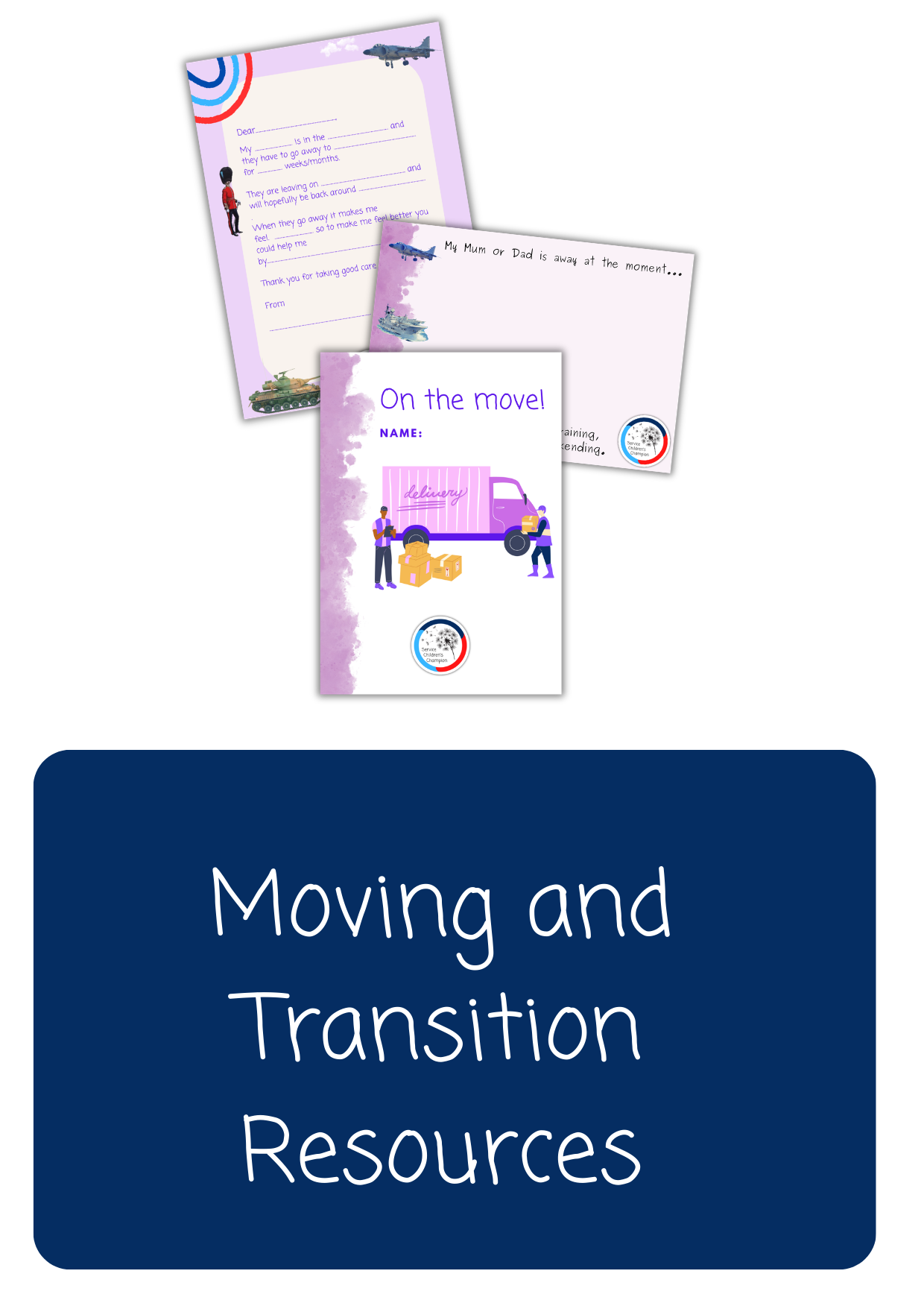
- Transition programmes to help children settle quickly after a move
- Clubs and confidence‑building opportunities that help children form friendships and feel part of the school community
- Dedicated Service children groups that offer safe spaces to share experiences and feel understood
Every school chooses how to use their funding based on local need—but all uses should focus on emotional wellbeing, stability, and connection.
How Schools Should Use SPP
To ensure transparency, every school must publish an SPP Statement explaining how the funding is used and how it benefits Service pupils. Families can ask their school directly for this document.
Schools are encouraged to think creatively and compassionately about how SPP can:
- Strengthen pastoral care
- Support continuity during moves
- Reduce the emotional impact of deployments
- Give children a sense of belonging and celebration of identity

Working Together: Families and Schools
Strong communication is at the heart of effective SPP support. Schools understand children best when families share information such as:
- An overview of military life at home
- Past experiences of mobility or deployment
- Hobbies, strengths, and learning preferences
- Any upcoming moves or separations that may affect wellbeing
In return, schools can offer:
- Clear induction processes and buddy systems
- Regular pastoral check‑ins
- Safe adults and safe spaces for expression
- Support during transitions and times of emotional change
Families and schools are partners—working together ensures each child feels known, supported, and understood.
Why SPP Matters
Service children bring resilience, adaptability, and unique insights to school life. But the demands of military life can also create pressure, uncertainty, and periods of emotional turbulence.
By using SPP wisely and compassionately, schools help ensure that Service children experience:
- Stability in times of change
- Consistent emotional support
- A strong sense of identity and belonging
- Smooth transitions between schools and communities
Ultimately, SPP is about giving Service children the understanding and support they deserve—so they can thrive academically, socially, and emotionally.