Service children bring strength, adaptability, and unique life experiences to school. They may also face challenges linked to mobility, deployment, and emotional cycles that affect learning and wellbeing.
This page explains the support available to your child in school, how the Service Pupil Premium works, and how you can work in partnership with teachers to make sure your child feels confident and ready to learn.
What Is the Service Pupil Premium (SPP)?
The Service Pupil Premium is additional funding given to schools to help them support children from Armed Forces families.
Who is eligible?
Your child may be eligible if:
- They have a parent currently serving in the Armed Forces
- They have a parent who has served in the last six years
- They receive a pension from the Armed Forces due to injury or bereavement
What is SPP for?
SPP is designed to help schools:
- Support children through mobility and deployment
- Promote emotional wellbeing
- Strengthen pastoral support
- Maintain continuity of education during moves
It is not for academic disadvantage — it recognises the specific lived experiences of Service life.
Examples of how schools use SPP
- Nurture groups or wellbeing check‑ins
- Deployment or reintegration support
- Pastoral staffing
- Transition programmes
- Clubs and opportunities that build confidence and friendships
- Dedicated Service children groups
If you're unsure how your school uses SPP, ask for their "SPP Statement" — every school should publish one.
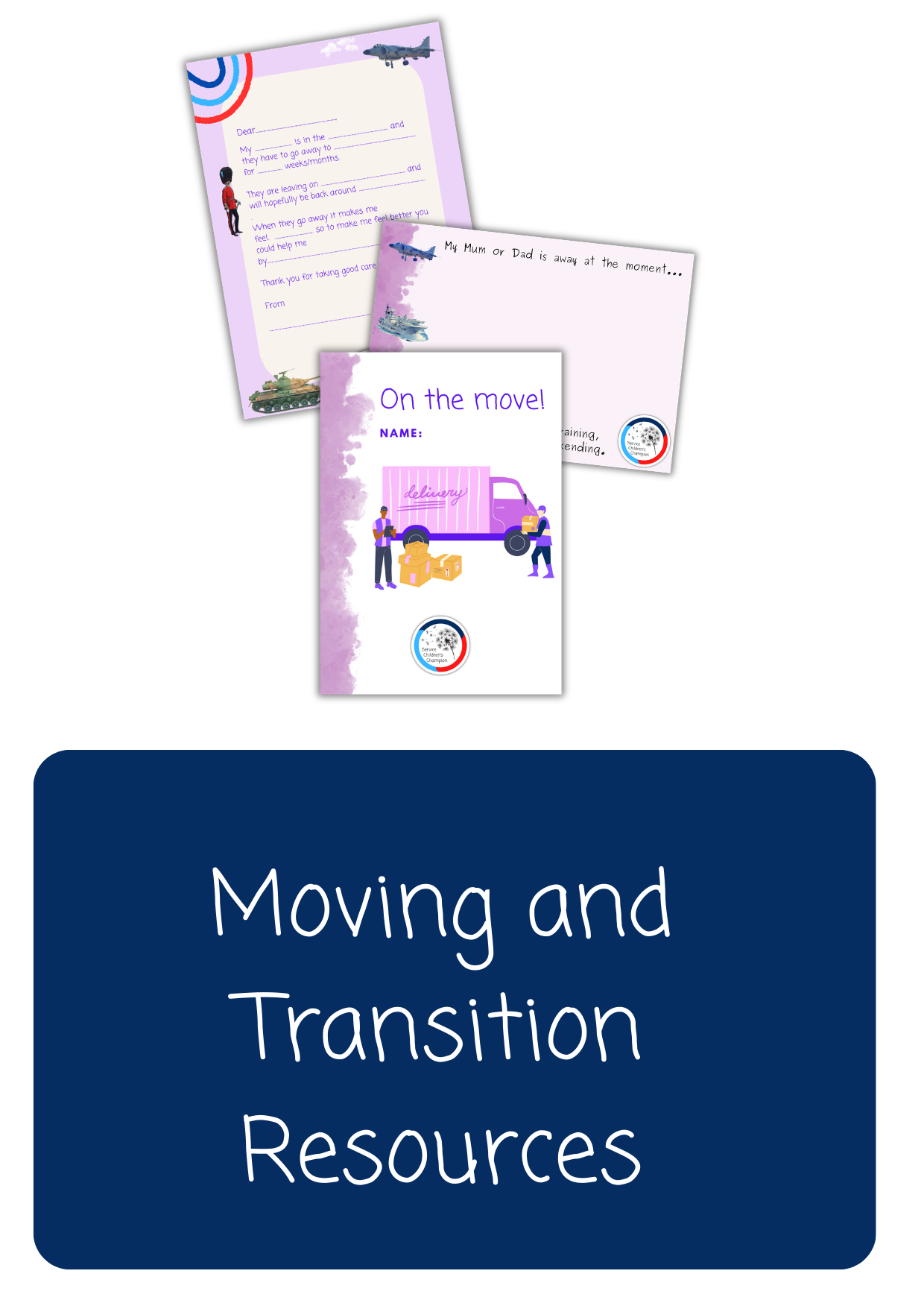
Working Together: Families and Schools
Strong communication helps teachers build a full picture of your child’s needs and strengths.
You can share with your child's school:
- A brief overview of your family’s Service life
- Any past experiences of mobility or deployment
- Strengths, hobbies, and learning preferences
- Anything that might affect their wellbeing (separation, upcoming moves)
- Strategies that helped in previous schools
Schools can offer:
- A clear induction and buddy system
- Regular pastoral check‑ins
- Space to talk about feelings and changes
- Support during transitions
- Safe adults your child can turn to
You are partners in supporting your child — your insight is invaluable.
Continuity of Learning During Moves
Moving mid‑year can disrupt learning, but there are ways to keep your child on track.
What schools can help with
- Identifying any gaps caused by mobility
- Catch‑up support if needed
- Sharing records quickly between schools
- Providing additional pastoral time in the first few weeks
What you can do
- Keep some routines consistent
- Share previous reports and any concerns early
- Keep communication open during the settling-in period
Even small steps can make a big difference in confidence and progress.

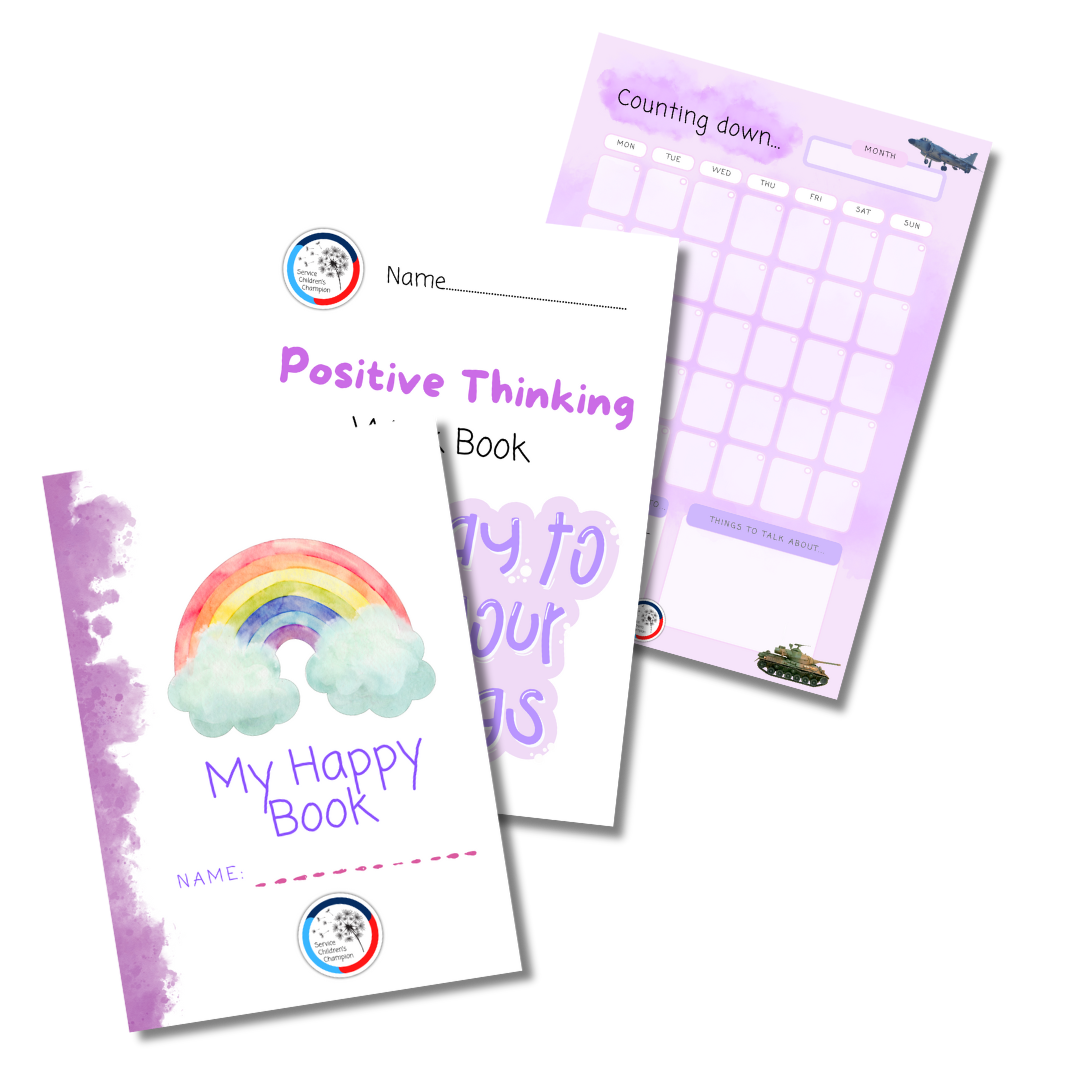
Emotional Wellbeing and Deployment Support
Deployments, training exercises, and unpredictable routines can affect children’s focus, mood, and sense of security. This is normal — and schools can help.
Support may include:
- Deployment groups
- Journals or message‑sharing activities
- Safe spaces to talk
- Check‑ins before and after contact with a deployed parent
- Visual routines to help with uncertainty
If your child’s parent or carer is due to deploy, let the school know — they can put small but powerful supports in place.
Helping Schools Understand Your Child’s Story
Every Service child’s journey is different. Sharing your child's story helps staff understand their strengths, worries, and what helps them feel settled.
This might include:
- A “Getting to Know Me” sheet
- Favourite subjects or clubs
- Important people in their life
- What helps them when they feel worried
- Any patterns you’ve noticed during past deployments or moves
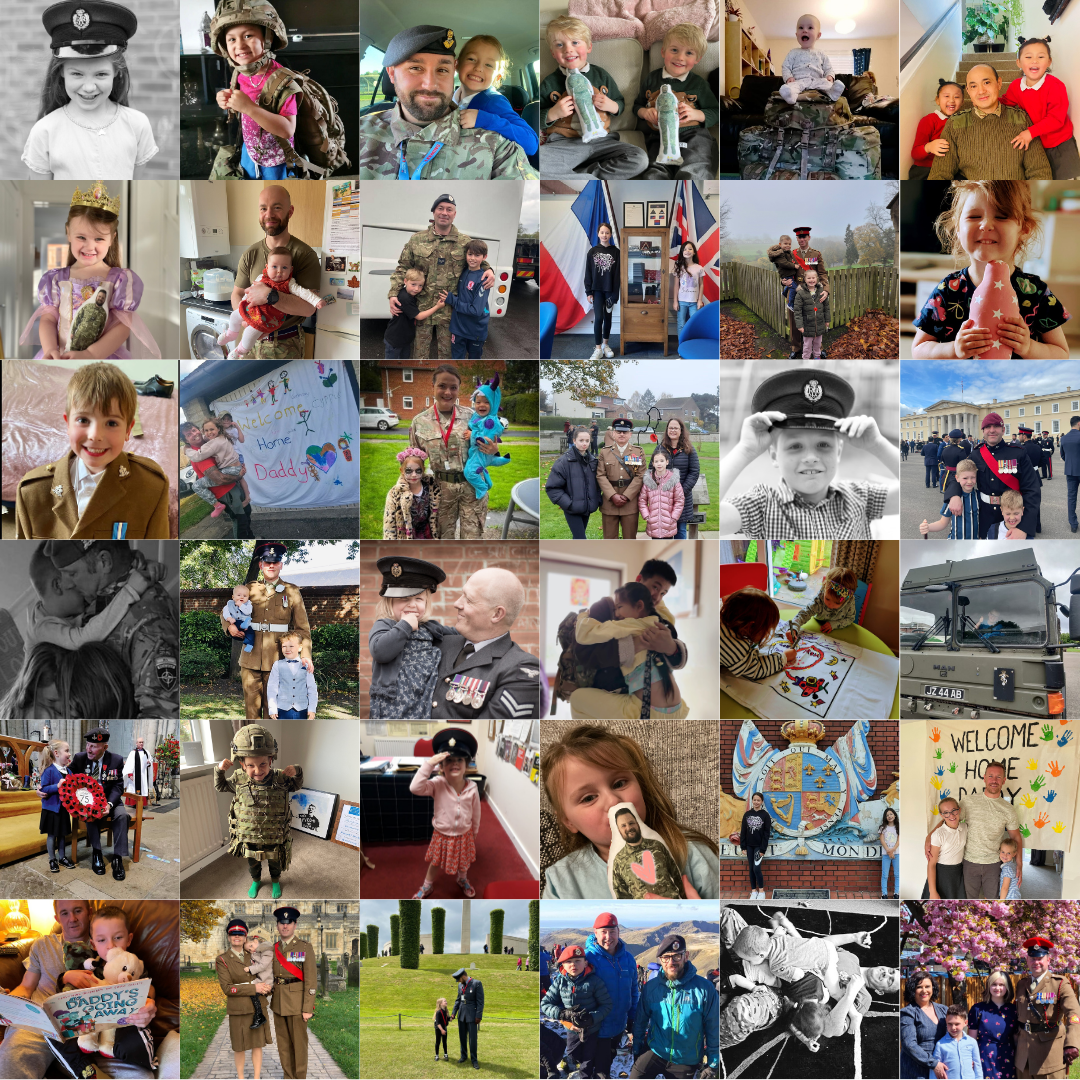

You’re Not Alone
If you’re unsure what support your child needs at school — or what to expect — the Service Children’s Champion is here to help.
You can contact us for:
Advice about school support
Understanding SPP
Transition concerns
Deployment support
Emotional wellbeing resources
Every question is welcome